Someone walks in thinking: I'm the only one struggling with this.
Someone across the circle says: Me too.
Shoulders drop. People laugh. Someone cries. Phone numbers get exchanged. Meals get delivered. Friendships begin.
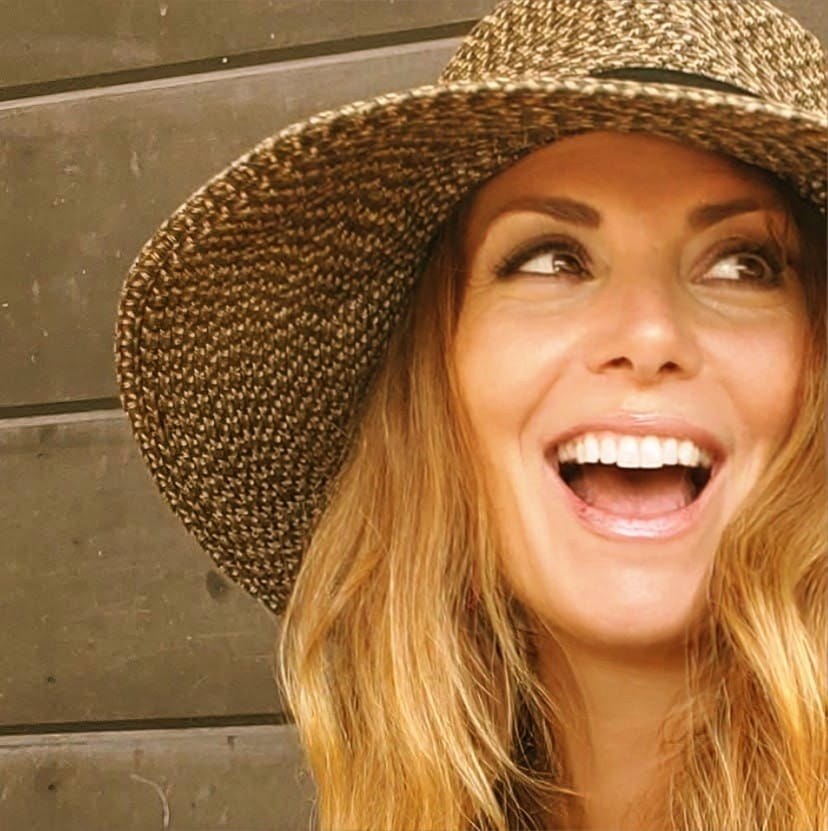
I'm Kerry Ingram. Educator, community organizer, postpartum doula, and founder of Held by the Village.
I speak about what happens when we stop treating isolation as a personal failure and start rebuilding the relationships, rituals and community infrastructure that help people flourish.
Showing up for each other is a skill. And we can learn it.
For decades we've been told to become more independent, more productive, more self-sufficient. And somehow, we're lonelier than ever. Parents are overwhelmed. Caregivers are burned out. Neighbors barely know one another. When people struggle, we hand them another self-care checklist instead of asking the bigger question.
I've spent more than two decades alongside children, parents and caregivers, and more than a decade sitting in circles with new parents. Again and again I've watched the same thing happen.
Someone walks in thinking: I'm the only one struggling with this.
Someone across the circle says: Me too.
Shoulders drop. People laugh. Someone cries. Phone numbers get exchanged. Meals get delivered. Friendships begin.
That is community infrastructure being built in real time.
Tap any title to see the full description and possible conversation points.
Modern life has made it remarkably easy to live without knowing the people around us. We can have food delivered without talking to anyone, work without leaving our homes, and order almost anything to our doorstep. Convenient? Absolutely. But humans weren't designed for radical self-sufficiency. This conversation explores what hyper-individualism has cost families and communities, and what it actually takes to rebuild meaningful, reciprocal relationships in modern life.
Sometimes the problem is that one or two adults are trying to do work that humans historically did within communities.
Parents are constantly being told how to become more resilient: sleep better, meal prep, meditate, exercise, organize the house, buy another planner. This conversation shifts the question from "How can this parent cope better?" to "What would need to exist around this family so they didn't have to cope with so much alone?" We explore peer support, practical care, community networks and what real family support can look like beyond another self-care prescription.
Independence has become synonymous with competence. Needing people can feel embarrassing. Asking for help can feel like failure. Somewhere along the way, interdependence became something we associate with weakness instead of being human.
Kerry explores how radical self-sufficiency affects parenting, caregiving, friendship and community, and how we can begin creating cultures where giving and receiving care are normal again.
New parents don't enter parenthood in a cultural vacuum. Consumerism tells us we need more stuff. Perfectionism tells us we're doing it wrong. Productivity culture tells us rest must be earned. Diet culture tells us our changing bodies are problems. Social media tells us everyone else is doing beautifully. And patriarchy has plenty to say about who should be carrying the invisible labor.
Kerry calls these The Villains of Early Parenting. Naming them allows us to stop turning systemic and cultural pressures into personal failures.
For care providers of every kind.
There is a difference between serving people individually and creating a community where people begin supporting one another. Kerry teaches care professionals how to step into the role of Village Tender, creating spaces where relationships form rather than becoming the person responsible for meeting everyone's needs.
You don't need a nonprofit. You don't need 10,000 Instagram followers. You don't even need to be particularly extroverted. You need a few humans, a reason to gather, and someone willing to make the first invitation.
This conversation gives listeners tangible ways to begin creating community through neighborhood gatherings, parent circles, meal trains, support maps, recurring rituals and simple invitations.
Beyond the registry and the casseroles: what genuine care looks like in the weeks after a baby arrives, and who it has to come from.
How friends and family can become a meaningful caregiving ecosystem rather than well-intentioned visitors, and how to ask for that without apology.
What happens in a room of people living through the same thing at the same time, and why no expert can substitute for it.
Postpartum is one of the few seasons where the balance is meant to tip entirely one way. For people used to being the helper, that can be surprisingly difficult to accept.
A closer look at the specific cultural pressures new mothers absorb, and how naming them changes what a parent believes about themselves.
Intentionally organizing rest, food, household support, emotional support and community, before anyone is too tired to arrange it.
Building supportive networks for new parents, navigating visitors and boundaries, organizing practical help, and the role community plays in postpartum wellbeing.
Postpartum support as culture-making, becoming a Village Tender, stepping into community leadership, and recognizing the cultural Villains of early motherhood.
Loneliness and disconnection in modern motherhood, and rerooting into community by becoming part of the village we wish existed.
Social-media motherhood, cultural programming, the different kinds of support new parents need, and finding support when it feels like you have no village.
Kerry Ingram is an educator, community organizer, postpartum doula and founder of Community Supported Postpartum and Held by the Village.
For more than two decades she has worked with children, parents and caregivers, including more than a decade facilitating parent-and-baby communities. Her work explores the intersection of caregiving, culture, motherhood and community, and teaches people the practical skills required to create ecosystems of care in a culture increasingly shaped by isolation.
Showing up for each other is a skill. Let's skill up and show up.
Use this as is. Higher resolution photos available on request.
If you're creating a podcast episode, panel, workshop, retreat or event about how we care for one another, Kerry would love to be part of it. Especially if you want to ask bigger questions about motherhood, caregiving, belonging, and the kind of culture we're creating together.
Hosting a full retreat or training instead? See facilitation options. Landed here from an episode? Take the four minute quiz.